
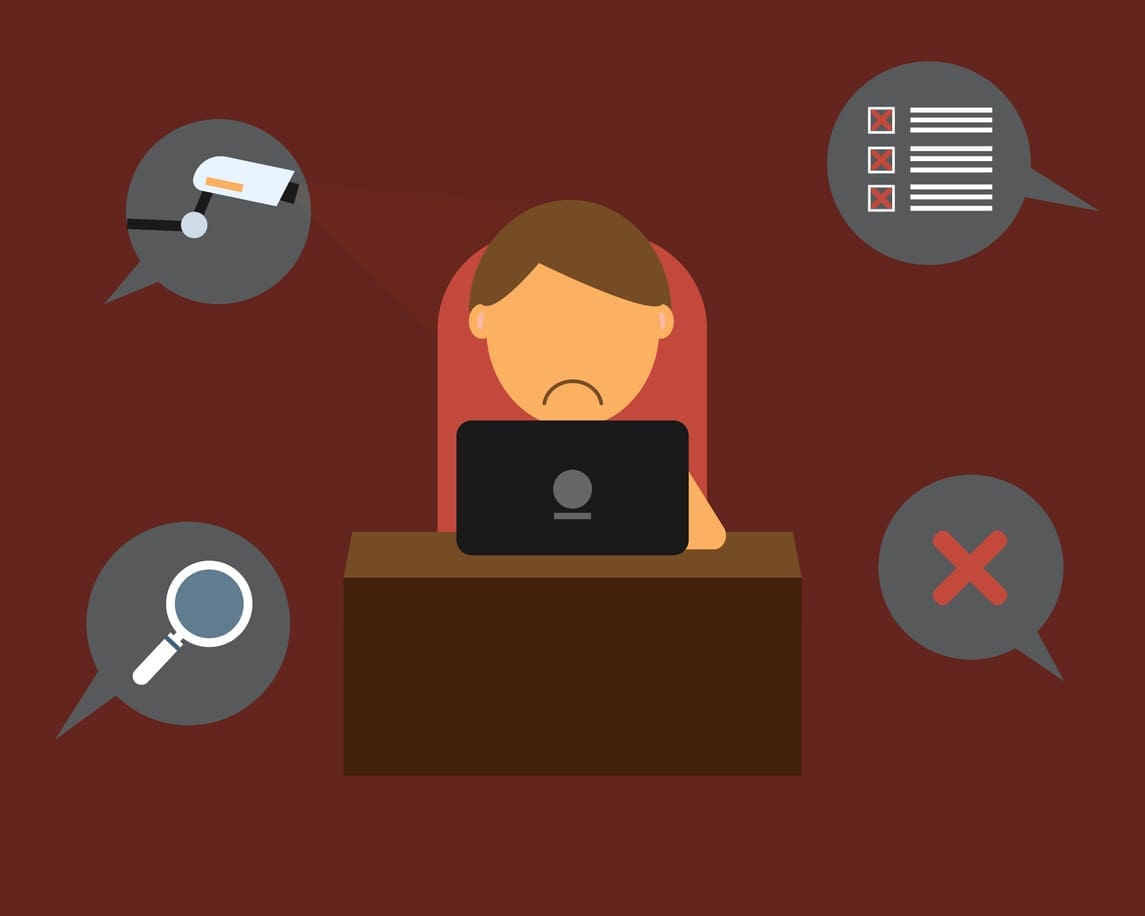
Why well-meaning micromanaging managers can drive top performers out the door
A troubling dynamic exists in many companies, often hiding in plain sight.
On one hand, there’s a high-performing employee who is intelligent, self-motivated, and able to take an assignment and run with it to the end zone with minimal supervision. Let’s call them what they are: an A player.
On the other hand, you have a boss, often a well-intentioned one, who relies heavily on oversight. This pattern may stem from a need for control, a lack of trust, or simply their usual management style. However, this isn’t about performance; it originates from their own needs for information, reassurance, and involvement.
When these two people meet, what starts as a professional relationship can quickly become toxic. For the A player, it doesn’t just feel annoying; it feels like emotional bullying.
“I’m Just Trying to Stay Informed”
Let’s be clear: most micromanagers don’t see themselves as villains. They often believe they’re coaching, staying engaged, or helping to keep things on track. However, in doing so, they may unintentionally stifle the very people they rely on to lead the organization forward.
That’s because high performers interpret excessive oversight quite differently. They don’t require daily check-ins, have their math double-checked, or need their reports rewritten. When they are second-guessed, over-scrutinized, or compelled to justify every decision, they don’t perceive support—they sense distrust.
As time goes on, that distrust accumulates into emotional exhaustion.
Micromanagement Isn’t Just a Style—It’s a Signal
We often discuss micromanaging as if it’s merely a personality quirk. However, it extends beyond that. It signals a lack of trust, a power imbalance, or deep-seated insecurity in the manager. For high performers, it doesn’t feel like management; it feels like control.
When used indiscriminately, micromanagement conveys the wrong message: “I don’t think you can handle this.”
The fallout can be subtle at first. Players will try to comply. They’ll provide updates, accept feedback, and endure unnecessary meetings. However, you’ll eventually start to notice signs:
- Shortened meetings.
- Passive-aggressive responses.
- Reluctance to share.
- Skipped check-ins or missed updates.
- Emotional pushback—frustration, sarcasm, even visible disengagement.
To a boss, this may seem like insubordination. However, to the employee, it’s a defense mechanism. They feel disrespected, untrusted, and stifled.
Not All Players Need the Same Coaching
Here’s the hard part for leaders to understand: not every player needs the same playbook. A “C” player may actually require close oversight. They might be learning the role, struggling with execution, or lacking the confidence to make independent decisions. For them, micromanaging might feel like support, providing a safety net that helps them avoid mistakes. In some cases, they may even prefer it.
A “B” player—someone capable but not yet fully autonomous—might tolerate micromanagement. However, they won’t enjoy it. Over time, they may start to feel constrained, particularly if they’re delivering solid results.
But for an “A” player, it’s unacceptable. They’re already delivering. They don’t need to be monitored—they need to be trusted. They want to grow, innovate, and lead. Micromanagement hinders all of that.
Signs You’ve Crossed the Line
Are you wondering if you’ve fallen into the micromanagement trap? Here are some red flags to look out for:
- Turnover among top performers. If your A players are leaving or transferring to another department, that’s a serious indication that something is wrong.
- Rumors and hallway chatter. If you hear that your people “aren’t happy,” take it seriously. They might not be expressing it directly to you, but they’re confiding in someone.
- Avoidance and emotional responses. If meetings are being avoided and people seem passive-aggressive or unusually irritable, consider why. It may not be about the work—it could be about you.
- Decreased engagement. When people who once leaned in suddenly pull back, stop contributing, or “just do what they’re told,” it usually isn’t because they’ve stopped caring. Instead, it’s often because they feel their efforts aren’t respected.
A Story Too Familiar
Many of us have encountered this situation. I’ll never forget working for a boss who insisted on controlling every detail—checking their math, questioning decisions, and demanding updates on matters that didn’t require updating.
I was performing at a high level, but I felt I was wasting time in his office rather than engaging in meaningful work. I started shortening meetings, skipping them altogether, and expressing my frustration more openly. Eventually, I transferred to another department without a micromanaging boss and with far more opportunity to perform.
The takeaway? Even the most exceptional employee can falter under relentless pressure to justify every action.
The Real Job of a Leader
Ultimately, a leader’s role is to nurture people. If your management style stifles your best talent, you’re not only hindering their growth—you’re also hindering the company’s growth.
Leadership isn’t about inserting yourself into every decision; it’s about creating space for others to thrive while offering support where it’s needed most. So, step back, observe your team, and ask:
- Who am I managing too closely?
- Who really needs my input—and who needs my trust?
- Am I nurturing leaders—or driving them away?
At the end of the day, micromanagement isn’t just about oversight; it’s about ownership. Great leaders understand when to let go.
Take our 5-minute CEO Constraints Assessment to identify the biggest leadership constraints limiting your company’s growth and discover practical next steps.


