
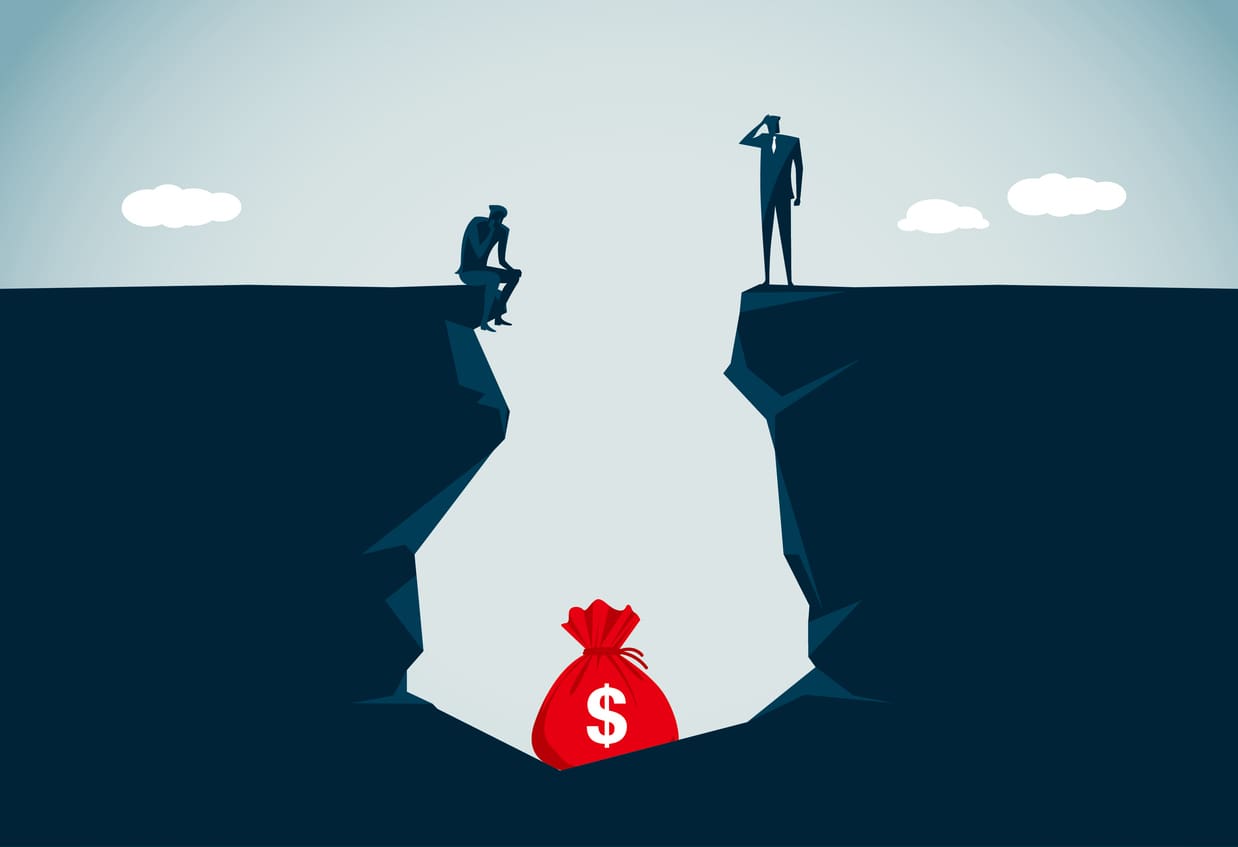
When You’re in a Hole, Stop Digging
Every leader has faced this moment. You’ve invested time, money, and reputation in a project that’s just not working out. Maybe it’s a new product launch that never gained traction, a joint venture that promised a lot but underdelivered, or an expansion into a region that keeps resisting progress. Deep down, you know it won’t turn around. Still, the thought of walking away feels impossible.
That’s the sunk cost trap at work. It’s one of the most powerful and riskiest biases in business.
What Exactly Is the Sunk Cost Fallacy?
At its core, the sunk cost fallacy is the idea that we believe we must keep going because we’ve already invested heavily, whether it’s time, money, energy, or credibility. Trying to stop feels like throwing away all that effort.
The truth? Those costs are gone. What really matters is whether future investment makes sense.
Finance professors explain it this way: when deciding whether to keep funding a project, ignore what you’ve already spent. Focus only on the additional costs in the future and whether those dollars could be better invested elsewhere.
Easy to understand in theory, but hard to implement in practice.
The Trap in Action
Think about the California High-Speed Rail project. Launched with big goals of connecting Los Angeles and San Francisco in less than three hours, it quickly faced rising costs, legal issues, and engineering challenges. Billions were spent. Each new obstacle forced leaders to defend the project because how could they justify abandoning it after investing so much? The sunk costs became the reason to keep funding it.
Or, consider Boston’s infamous Big Dig. Originally estimated at $2.8 billion, the underground highway project ballooned to nearly $15 billion. By the time the overruns became clear, the thinking was: “We’ve already sunk too much to quit now.” So, the money kept flowing. Yes, Boston gained a transformed downtown, but generations of taxpayers bore the final cost. Was that the smartest use of limited public funds? Reasonable people disagree, but the process reveals the trap: sunk costs forced decision-makers into a path that rational analysis might not have supported.
The same patterns happen inside companies every day. We keep funding product lines that are clearly outdated. We extend contracts with underperforming partners because we “already spent so much to get them up to speed.” We stay in markets that have never produced a return because leaving feels like failure.
Why It’s So Hard to Stop
Abandoning a project isn’t just a financial loss. It also damages egos and career prospects. Admitting you made the wrong choice can feel like admitting you’re incompetent. In corporate environments, shutting down a project can be politically risky. Leaders worry about being perceived as quitters or having their judgment questioned.
So instead, we justify: one more quarter. One more funding round. One more campaign. Then it will get better. But it rarely does.
A Better Way to Decide
How can you beat the sunk cost fallacy? Two simple tests can help:
- The Incremental Test: Ask, “Knowing what I know today, is the next dollar, hour, or ounce of energy best spent here—or somewhere else?” Ignore what’s already gone. Compare the future potential return to the future cost.
- The Reset Test: Imagine you’re back at the starting line. “If I knew then what I know now, would I start this project?” If the answer is no, then why continue?
These mental resets are powerful because they cut the emotional bonds to past investments.
The Courage to Walk Away
Walking away isn’t easy, but it’s often the smartest decision. Every dollar spent backing a failing project is a dollar not invested in something with real potential. Every hour wasted on the wrong path is an hour you can’t spend on the right one.
When you free yourself from a failing project, you don’t just stop the bleeding; you also unlock the opportunity to use those resources where they can truly promote growth. That’s the part leaders often overlook.
Consider reallocating the money spent on supporting a dead-end product. What if you invested it in improving customer experience to boost retention by a few percentage points? Or in a pilot project with a promising technology partner? Or in training your sales team to enhance execution?
The same logic applies to talent. Keeping your top performers tied to a struggling initiative not only wastes their time but also deprives the rest of the business of their creativity and energy. Moving them to a healthier project can provide an immediate boost.
Every dollar, hour, and ounce of energy you redirect from the wrong place is capital you can invest in the right one. Leaders who think about decisions in terms of the best possible use of the next dollar often see opportunities others miss.
Strong leaders know when to double down and when to fold. They accept that not every move will succeed. More importantly, they build cultures where admitting “this isn’t working” is seen as wisdom, not weakness.
Making Better Choices
When you’re in a hole, stop digging. Don’t let sunk costs influence your choices. Whether you’re managing a large corporation or a small business, the same rule applies: focus on future potential, not past expenses. Look around your organization: What’s your version of the Big Dig? Which initiatives continue to drain resources just because you’ve already invested too much to stop?
It might be time to stop telling yourself the sunk cost story and start making a smarter, bolder choice.
Take our 5-minute CEO Constraints Assessment to identify the biggest leadership constraints limiting your company’s growth and discover practical next steps.


