
What may seem irrational might have a long-lasting real rationale behind it.
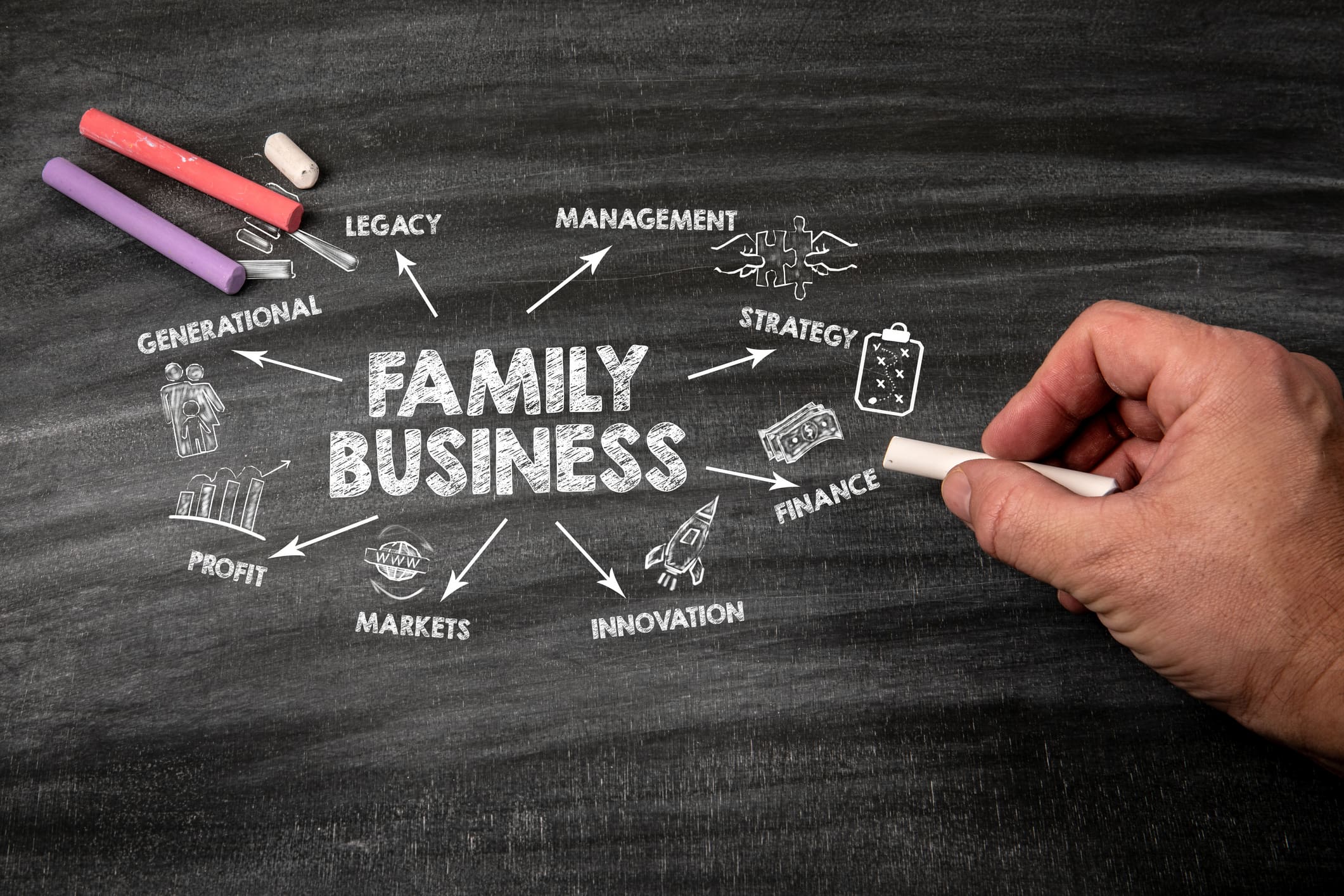
Over the years, we at the The CEO Project have collaborated with numerous family businesses, and one thing is evident: they handle decision-making differently than their non-family counterparts. While larger corporations may concentrate solely on financial outcomes, family businesses frequently consider something more intangible—the family’s legacy.
Let me explain why that matters.
When Legacy Drives Business Decisions
Profits are not the only measure of success in family businesses. The family’s ego, identity, and well-being can be tied to the business’s performance. When the business thrives, the family flourishes. Conversely, if it struggles, the family feels the impact personally—especially after several generations have been involved.
That’s why what may appear initially irrational in a family-owned business often has deep-rooted reasoning behind it.
Many companies discuss longevity—aiming to endure 100 years or more—but longevity differs from legacy. Legacy is not merely about remaining in business; it encompasses reputation, family identity, and the enduring influence on future generations.
I once worked with the CEO of a 7G family business. A division of the company was underperforming, while another was thriving. From a purely financial standpoint, selling the failing division made perfect sense. But when I suggested this, his response was telling: “I can’t because of Thanksgiving dinner.”
The CEO explained to me that he couldn’t face telling his grandmother he was selling her great-grandfather’s business. For him, the decision wasn’t just about profit and loss but about honoring generations of family history. Legacy, in this case, overruled financial logic.
How Legacy Impacts Decision-Making in Family Businesses
Leaders of family businesses often wrestle with decisions prioritizing legacy over financial optimization. Legacy can show up in multiple ways. Here are a few examples:
Hiring and Employment: Family businesses often employ relatives, even when they may not be wholly qualified or the best fit for a role. I remember working with a CEO, one of the owners of a family-owned jewelry business, who was frustrated with the two people in charge of Sales and Operations. The challenge was that both employees were his relatives. The CEO faced a dilemma: he could bring in better talent to grow the company or keep his relatives on the payroll. For legacy reasons, he decided to keep his relatives in their positions.
Compensation Structures: One family business case truly blew my mind. It involved a multi-generational food service company with several third-generation family members working in various roles, including one as CEO and another as the loading dock manager. When I worked with the CEO, a third-generation leader, he revealed that all family members received the same pay regardless of their position.
“Wait a minute,” I said. “You’re telling me you make the same amount as your cousin who works on the loading dock?”
“That’s right,” he told me. “That’s how we decided to make things equal.”
While this approach baffled outsiders like me, it was their way of maintaining family unity and honoring their legacy.
Community Impact: Some businesses are so deeply embedded in their local economies that closing or selling off divisions would negatively affect the town—another facet of legacy thinking. One family-owned business I worked with was integral to its community because it was a generous supporter of local nonprofits, a major real estate developer, and played a key role in the community’s future growth. At one point, the company considered divesting a portion of the company, including some of its land holdings. Doing so would have made financial sense. But ultimately, the family that owned the business decided against selling anything to an outside buyer. They agreed that preserving the company was a commitment to the community—a core part of their legacy.
Putting Legacy into Context
If you work in or with a family business and a decision seems irrational, consider the role of legacy. Good family businesses don’t just think in terms of quarterly profits but in terms of generations. The emotional and historical weight behind decisions can often be just as significant as the financial bottom line.
Legacy is not a barrier to rational decision-making—it’s simply another factor in the equation. Sometimes, preserving a family business’s legacy is the best decision it can make.
Take our 5-minute CEO Constraints Assessment to identify the biggest leadership constraints limiting your company’s growth and discover practical next steps.


