
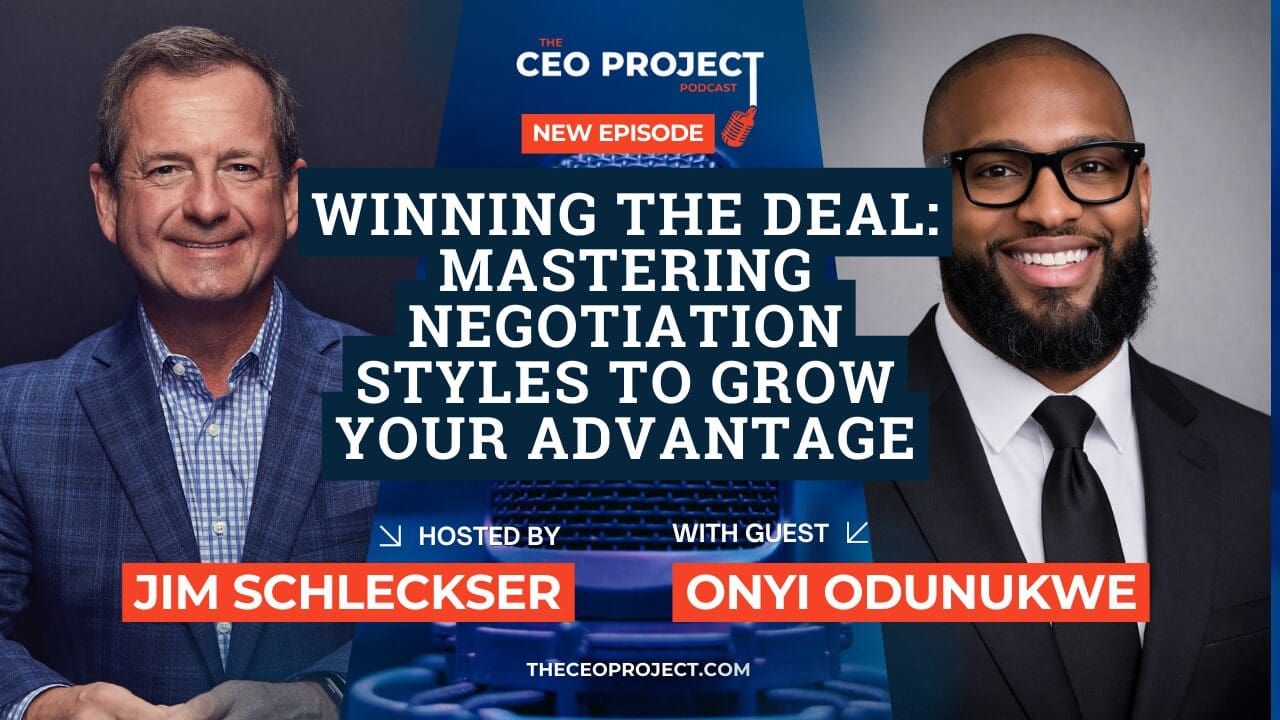








If mastering negotiation could instantly increase your business worth, how differently would you handle your next deal?
You negotiate every day—whether you call it that or not. From acquisition offers and partnership terms to real estate, compensation, and vendor contracts, you’re constantly shaping outcomes that affect your company’s growth and long-term business worth. The problem? Most leaders treat negotiation like a tug-of-war over price. In this episode, you’ll learn why mastering negotiation is really about leverage, psychology, timing, and knowing when to walk away.
By listening, you’ll gain:
-
A smarter framework for mastering negotiation that goes beyond price and focuses on leverage, certainty, and deal structure
-
Proven tactics like “never go first,” strategic silence, and the flinch to strengthen your position without creating conflict
-
A clearer understanding of motivation and timing so you can spot desperation, avoid overpaying, and protect your business worth
Press play now to sharpen your negotiation edge—and make your next deal one that compounds your business worth instead of quietly eroding it.
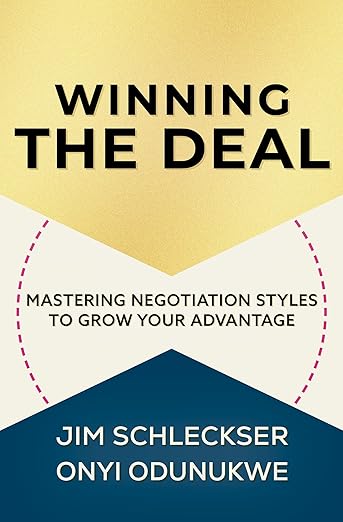
Get your copy of Winning the Deal:
The Foundation of Mastering Negotiation
02:10 – You’re Negotiating More Than You Think
Jim reframes negotiation as an everyday leadership skill—not just hostage-style standoffs, but conversations about contracts, salaries, acquisitions, and partnerships that directly impact your business worth.
06:40 – Leverage Is the Real Starting Point
Before discussing numbers, the conversation shifts to leverage—who needs the deal more, who has options, and how mastering negotiation starts with understanding power dynamics instead of arguing over price.
10:15 – It’s Not a Zero-Sum Game
Both Jim and UNE explain why treating negotiation like “your win is my loss” kills value. The real upside comes from trading what you value less for what the other side values more.
14:30 – Timing vs. Dollars
Through real estate examples, they show how certainty and speed of close can outweigh a higher offer—proving that structure often matters more than headline price.
19:05 – Probability of Execution Matters
Experience builds credibility. Sellers may accept less money for a buyer who consistently closes, reinforcing that mastering negotiation includes signaling reliability.
Advanced Tactics That Protect Your Business Worth
23:20 – Why You Never Go First
One of the book’s core rules: don’t anchor yourself unnecessarily. Let the other side reveal their expectations first—you may discover their number is far better than you imagined.
27:45 – The Power of the Flinch and Silence
A tactical breakdown of “flinch, reflect, repeat, go silent.” Strategic blank space often causes the other party to negotiate against themselves—an underrated mastering negotiation technique.
32:10 – Walking Away Is a Strategy
The willingness to walk shifts leverage instantly. Often, the strongest position in any negotiation is emotional detachment from the deal.
36:50 – Understanding Seller Motivation
Desperation, fatigue, leadership turnover, or life changes can influence price more than financial metrics. Smart negotiators uncover motivation before debating valuation.
41:30 – Control the Pen, Control the Deal
Whoever drafts the agreement shapes the outcome. From overlooked clauses to structural advantages, controlling documentation protects your business worth long after the handshake.
About Onyi Odunukwe
Onyi Odunukwe is CEO of Glo Tanning Centers, Inc. His specialties are:
- Marshaling limited resources to the most productive uses with the aim of creating maximum value for the company’s stakeholders.
- Developing and cascading the organization’s strategy/mission statement to the lower-ranking staff, and implementing appropriate rewards/recognition and coaching/corrective practices to align personnel with company goals.
- Planning by prioritizing customer, employee, and organizational requirements.
- Maintaining and monitoring staffing, levels, Knowledge-Skills-Attributes (KSA), expectations and motivation to fulfill organizational requirements.
- Driving performance measures for the operation (including a consideration of efficiency versus effectiveness), often in the form of dashboards convenient for review of high level key indicators
Take our 5-minute CEO Constraints Assessment to identify the biggest leadership constraints limiting your company’s growth and discover practical next steps.